
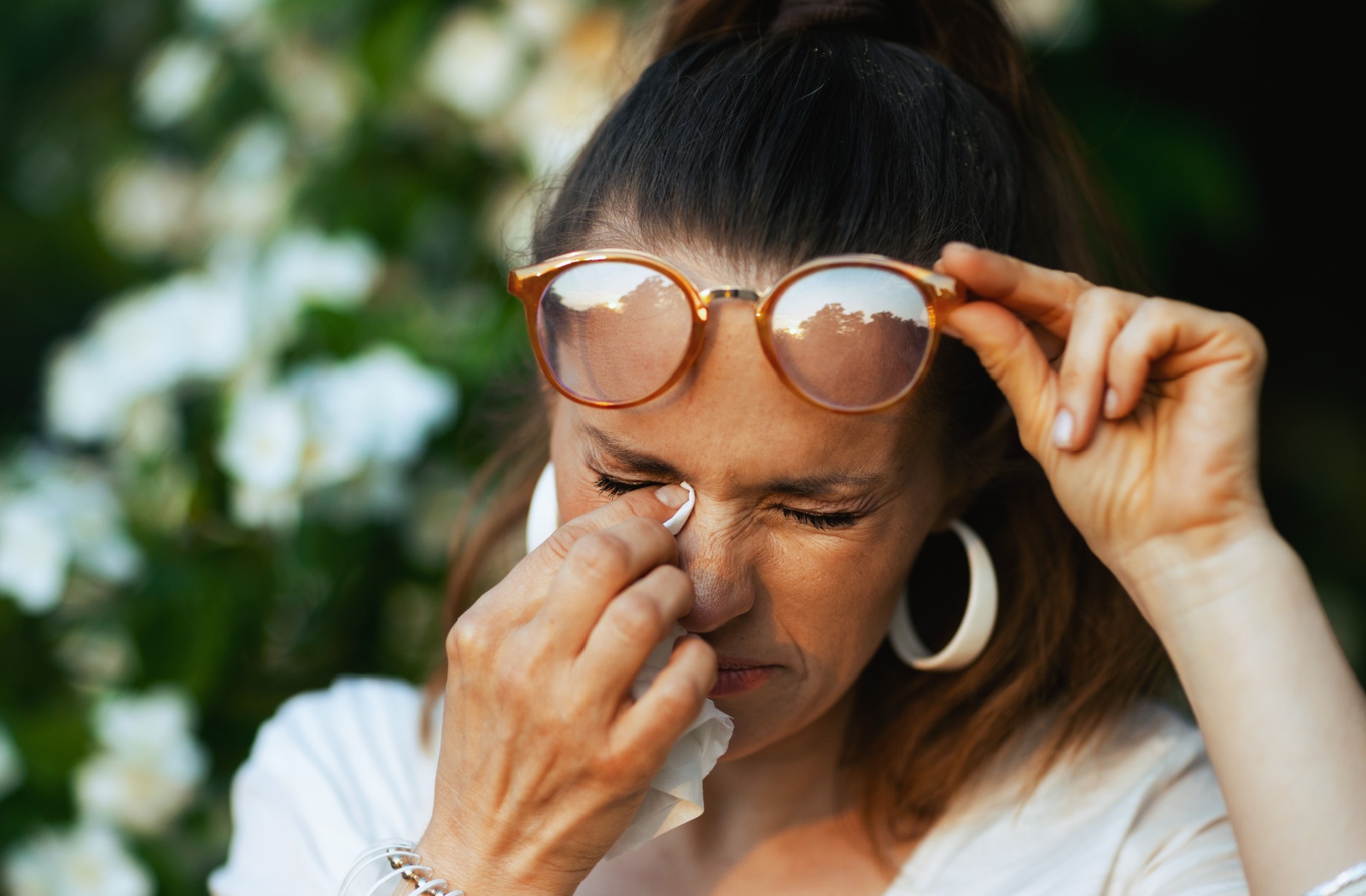

If your eyes get red, itchy, and watery as the seasons change or after you spend time around a pet, you could be dealing with eye allergies. Our team at Envision Eye Care understands that this common condition can make your days uncomfortable and leave you searching for a solution.
You can find relief from eye allergies by understanding your triggers and choosing the right treatment, whether that means simple home remedies or medicated options. Finding the right approach starts with knowing what signs to look for, as the discomfort caused by allergies can sometimes feel similar to the symptoms of dry eye.
Know the Signs of an Eye Allergy
When your body encounters an allergen, it releases chemicals called histamines that lead to inflammation. This reaction can cause several distinct and frustrating symptoms.
You may experience one or more of the following:
- Intense itching or a burning sensation in your eyes
- Redness in the white part of your eye and swollen eyelids
- Watery eyes or a thin, stringy discharge
If your symptoms are sudden or severe, you should seek urgent eye care to rule out a more serious issue.
What Causes Your Eye Allergies?
Allergens are tiny particles that are usually harmless, but which trigger a reaction from your immune system. These particles are everywhere—both outside and inside your home. Figuring out what you’re allergic to is the first step toward feeling better.
Common Outdoor Triggers
If your symptoms suddenly appear or get worse at certain times of the year, you may be reacting to seasonal allergens. For instance, your eyes might feel fine all winter, only to become itchy and red as soon as spring arrives. Common seasonal allergens include:
- Pollen from trees, grass, & weeds
- Ragweed, which is very common in the fall
- Mold spores that thrive in damp, humid areas
Common Indoor Triggers
Sometimes, the source of your discomfort is right inside your house. Indoor allergens can cause symptoms all year long, and they often hide in places you might not expect. Common indoor allergens include:
- Pet dander from cats, dogs, & other furry animals
- Dust mites that live in bedding, carpets, & upholstered furniture
- Mold that grows in damp spaces like bathrooms or basements
Simple At-Home Relief for Itchy Eyes
You don’t always need medication to calm your irritated eyes. A few simple habits can help soothe your discomfort and wash away allergens before they cause too much trouble. These small changes can make a big difference in how you feel each day.
- Apply a cool compress. A clean washcloth soaked in cool water and placed over your closed eyes can help reduce itching and swelling.
- Avoid rubbing your eyes. It’s a natural instinct, but rubbing your eyes can make the itching worse and release more histamines.
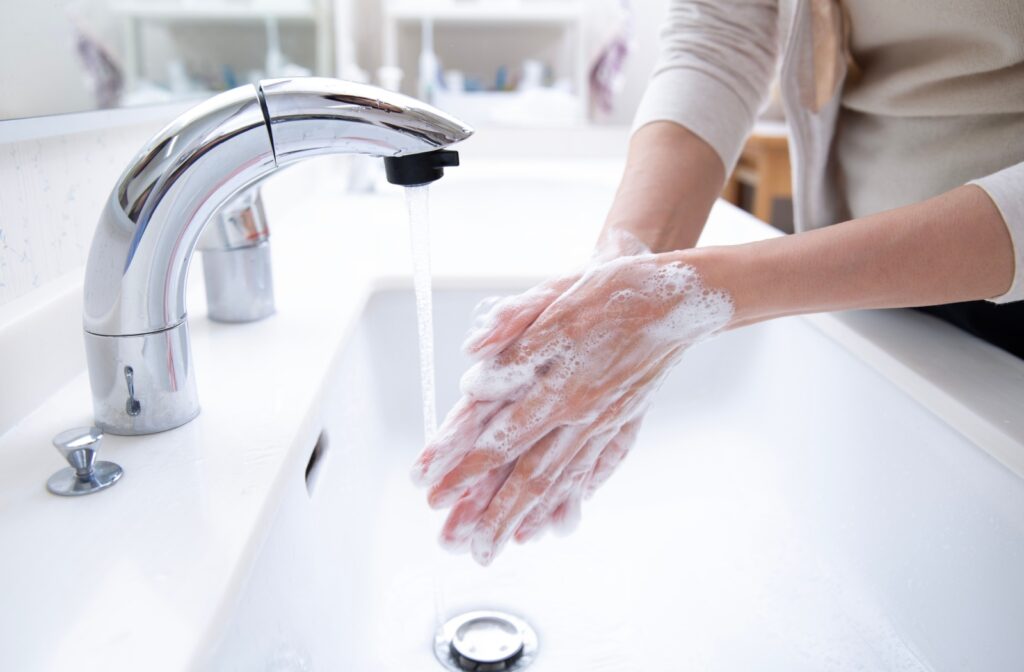
- Wash your hands & face often. Rinsing your face and washing your hands removes pollen and other allergens that you may have come into contact with.
Another way to protect your eyes, especially from airborne allergens, is to wear sunglasses when you are outside. A good pair of protective sunglasses can create a physical barrier, keeping some irritants from reaching your eyes.
Over-the-Counter & Professional Treatments
When home remedies aren’t enough, your local pharmacy may be able to help. However, for symptoms that won’t go away, professional guidance from your optometrist can help you find a more effective, long-term solution.
Use the Right Eye Drops
The eye drop aisle can be confusing, but different drops are made to tackle different symptoms. Reading the label can help you find the right type of eye drops for your needs. Some common options include artificial tears, antihistamine drops, and decongestant drops.
- Artificial tears help rinse allergens from your eyes and add moisture.
- Antihistamine drops directly block the chemical that causes itching.
- Decongestant drops can reduce redness but should only be used for a few days.
Oral Medications & Other Options
An oral antihistamine pill can provide more widespread relief if you also have a runny nose or sneezing. If over-the-counter products don’t improve your symptoms, it may be time for a different approach. As your eye doctor in Aurora, we can help identify the cause of your discomfort and recommend a personalized plan for managing your eye health.
How Long Do Eye Allergies Last?
The duration of your eye allergies depends entirely on what you’re allergic to. You might struggle for only a few weeks a year, or you may deal with symptoms on a more consistent basis.
- Seasonal allergies last for specific seasons, like spring when tree pollen is high or fall when ragweed peaks.
- Perennial allergies can happen year-round, as they’re linked to indoor allergens like dust or pet dander.
Whether your symptoms last for weeks or months, you don’t have to just live with them. A plan from your eye doctor in Aurora can help you manage your symptoms effectively so you can get back to your life with clear, comfortable vision. Regular check-ups also support your overall health, as eye exams can reveal signs of other, general health conditions. Our team at Envision Eye Care is here to help you understand your options for allergy relief. If you’re tired of dealing with itchy, red eyes, schedule an appointment to find the solution that works for you.