
If you have diabetes, your body finds it difficult to manage sugar levels. Over time, high blood sugar can cause damage to the small, delicate blood vessels in your eyes. This can happen quietly, often without any symptoms you would notice on your own. This is part of the reason why a diabetic eye exam is an important part of your health routine.
A diabetic eye exam is a specific type of check-up that looks closely for any signs of damage to the small blood vessels in your eyes and watches out for early signs of other eye conditions. The team at Envision Eye Care provides diabetic eye exams in Aurora to help detect problems before they affect your vision.
How Diabetes Can Affect Your Eyes
You may not feel it, but high blood sugar levels can weaken the tiny vessels in your retina (the light-sensitive layer at the back of your eye). This can lead to serious eye conditions that often develop without any early warning signs, which is why an eye exam is so important for your long-term health.
Signs Your Eyes May Be Affected
While problems can start without symptoms, you might eventually notice changes. Pay attention to things like:
- Blurry or wavy vision
- Vision that seems to change frequently
- Dark spots or floating specks in your sight
- Flashes of light
- Trouble seeing colors clearly
A Diabetic Eye Exam vs. A Regular Eye Exam
A diabetic eye exam is a little different than a routine vision check. While both exams look at your overall eye health, this one puts a special focus on the parts of your eye that diabetes can harm the most.
A Close Look at Your Retina and Blood Vessels
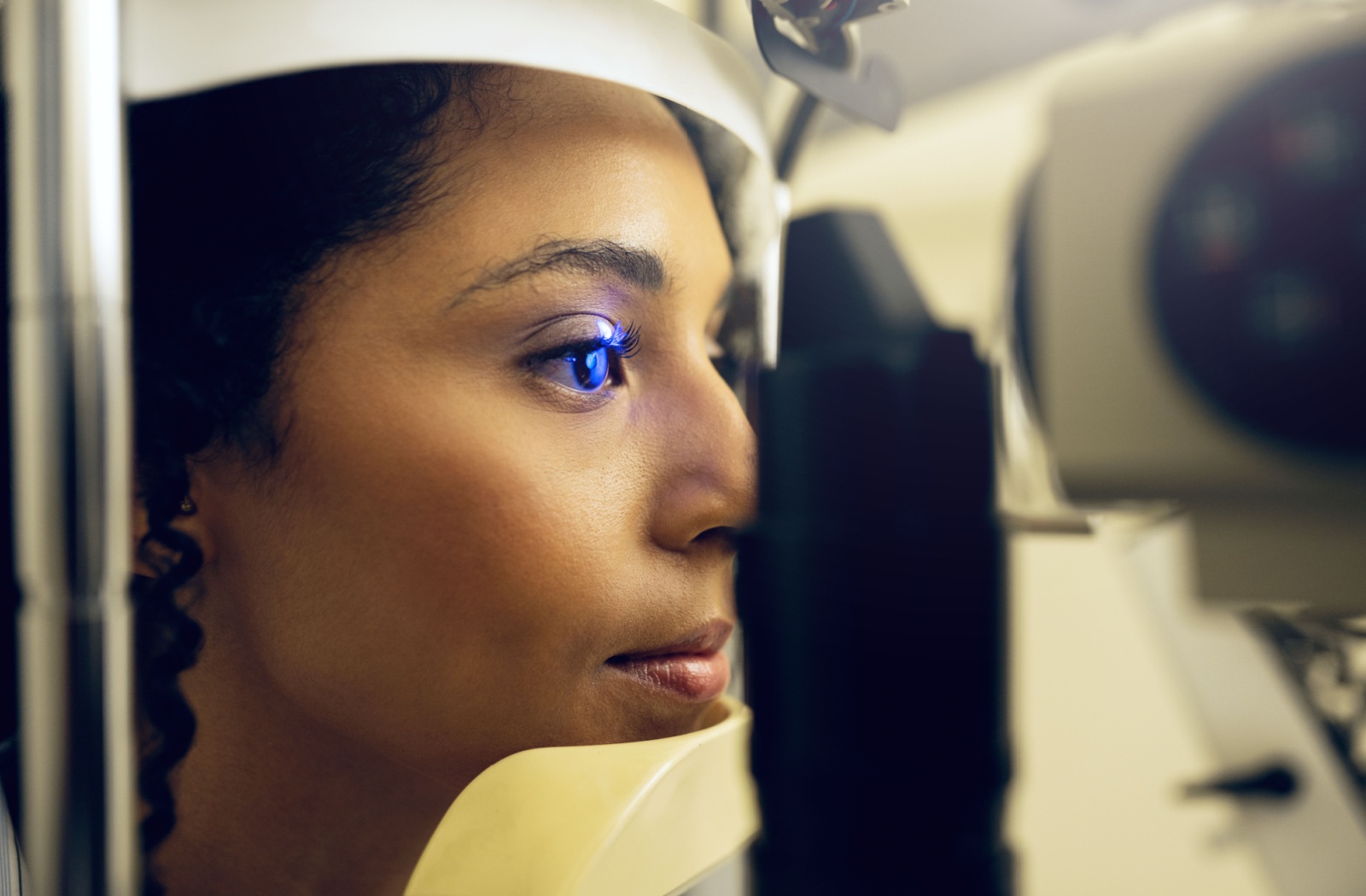
The key difference between a diabetic and a regular eye exam is the detailed inspection of your retina. An eye doctor uses specific tools to look for any leaking blood vessels or swelling at the back of your eye. These are signs that diabetes may be affecting your eye health.
Focus on Early Detection
The exam is designed to catch issues at the earliest possible stage. Finding and addressing problems before they progress can help you protect your sight for years to come, which is the goal of any comprehensive eye exam.
What to Expect During Your Exam
Your appointment will be thorough, but it is straightforward. The exam aims to get a complete picture of your eye health, helping the eye doctor understand how to provide you with the right care.
Talk About Your Health History
Your visit can start with a conversation. You may discuss your experience with diabetes, your general health, and any changes you’ve noticed in your vision. This information helps the optometry team tailor the exam to your specific needs.

Key Tests for Diabetic Eye Health
There are a few specific tests that give the eye doctor a clear view of your eye health:
- Pupil dilation: These medicated eyedrops widen your pupils. Think of it like opening a curtain: With the pupil more open, the eye doctor can get a clear, wide view of the back of your eye, including the retina and the optic nerve (which sends information to the brain). This test is not always necessary, so talking to your optometry team is a great way to find out which tests you will be receiving.
- Retinal photos and scans: A special camera may take detailed pictures of your retina. This technology, known as retinal imaging, helps the eye doctor to see the different layers of your retina and check for any fluid or damage.
- Vision test: You may read from an eye chart. This is a simple way to check how clearly you see at various distances.
- Eye pressure test: This quick test can measure the pressure inside your eyes. Higher pressure can be a sign of other conditions that are more common in people with diabetes, like glaucoma.
How to Prepare for Your Appointment
A little bit of planning can help your diabetic eye exam go smoothly. When you know what’s coming, the process usually feels easier and more comfortable.
Plan for Blurry Vision
If you’re receiving a dilated eye exam, it might be a good idea to prepare for blurry vision. The dilation drops will make your vision blurry and sensitive to light for a few hours. Because of this, it can help to arrange for someone to drive you home. It’s also a great idea to bring sunglasses to wear on your way out.
The Length of the Exam
You can expect to be at the office for about 60 to 90 minutes. A diabetic eye exam can take a bit longer than a standard check-up because of the extra tests and the time it takes for your pupils to fully dilate, if you’re receiving dilation.
When to Schedule a Diabetic Eye Exam
Regular exams are a key part of managing your health with diabetes. How often you need one depends on your specific situation.
If You Have Type 1 Diabetes
You should schedule your first exam within 5 years of your diagnosis.
If You Have Type 2 Diabetes
You should schedule an exam as soon as you are diagnosed.
The Importance of Annual Visits
After your initial exam, you should plan to have a diabetic eye exam at least once a year. Your eye doctor can let you know if you need to come in more often based on your eye health and disease management plan.
Schedule Your Diabetic Eye Exam
Regular diabetic eye exams are a simple and helpful step you can take to protect your vision. The optometry professionals at Envision Eye Care are here to provide the attention you need to keep your eyes healthy. Contact our eye care team in Aurora, Colorado, to schedule your exam today.