
Key Takeaways
- Blepharitis is an inflammation of the eyelid edges that can be short-term or long-lasting.
- Acute cases may clear up in one to two weeks. Chronic cases need ongoing daily care.
- Daily eyelid hygiene is the foundation of managing symptoms at home.
- Professional treatment options are available when home care isn’t enough.
- Skipping your routine is one of the most common reasons symptoms return.
What Blepharitis Actually Is
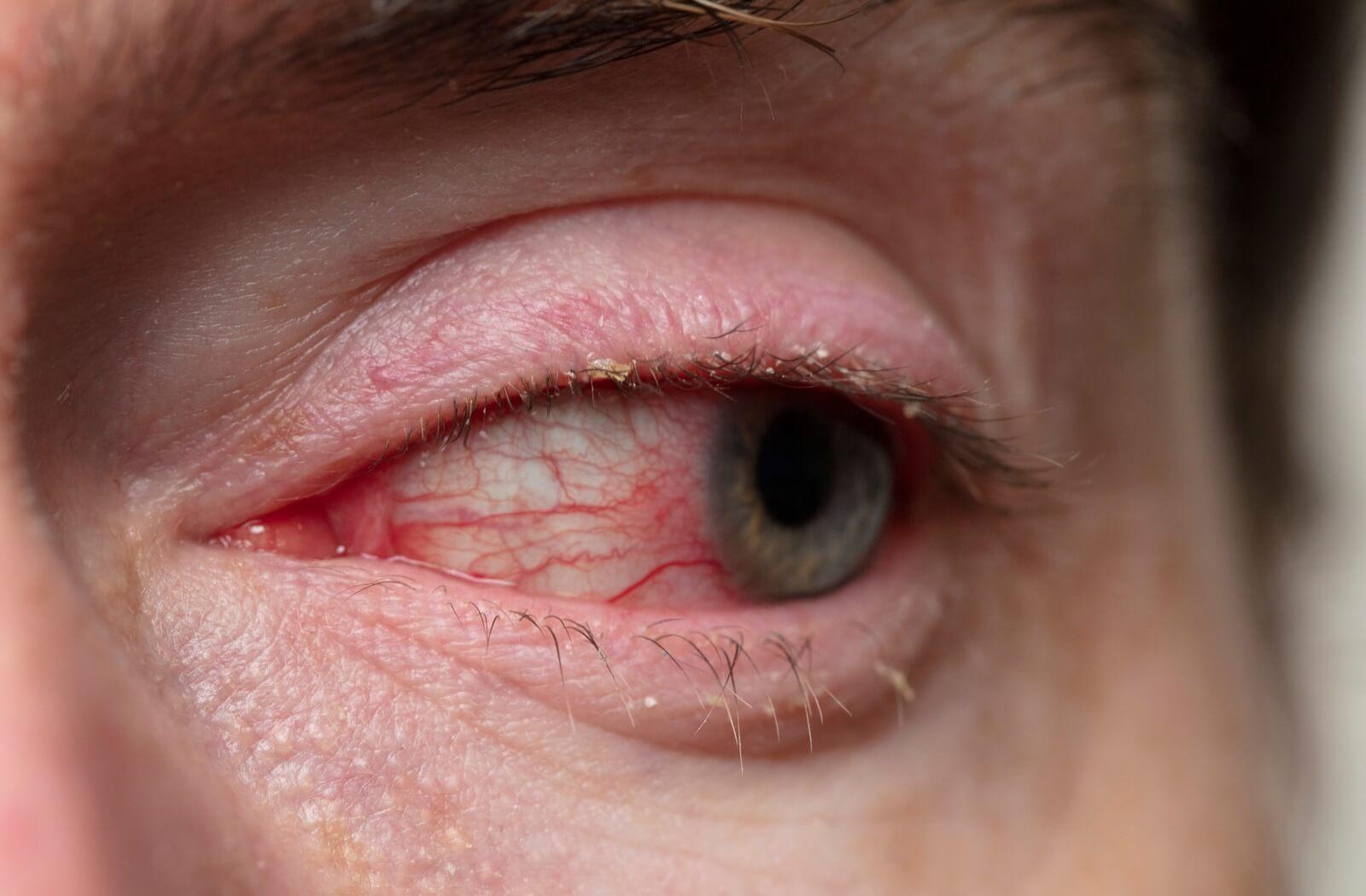
Your eyelids feel itchy and irritated. You wake up with crusty buildup along your lash line, and your eyes have a gritty, burning sensation that follows you through the day. If this sounds familiar, blepharitis may be the cause.
Blepharitis is an inflammation of the eyelid edges, right where your lashes grow. It can be either a short-term problem or something you manage over a longer period of time.. At Envision Eye Care in Aurora, we see this condition regularly, so we know how uncomfortable it can be if left untreated. In fact, blepharitis and dry eye often go hand-in-hand.
Common Symptoms to Watch For
The following are all signs that you may have blepharitis:
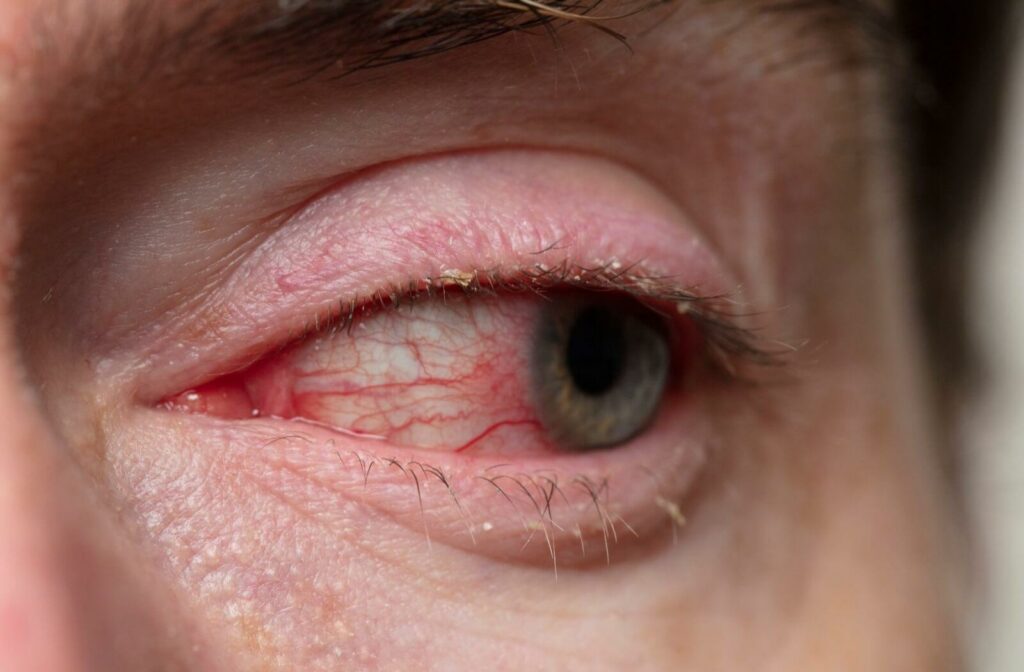
- Red, swollen, or itchy eyelids
- Crusty or flaky buildup at the base of your lashes, especially in the morning
- A gritty, burning, or watery feeling in your eyes
What Leads to It
Blepharitis doesn’t have one single cause. Several different factors can play a role, and sometimes more than one is involved at the same time. These include:
- Blocked oil glands or bacterial overgrowth along the lid margin
- Skin conditions like dandruff or rosacea
- Tiny eyelid mites or allergic reactions
How Long Blepharitis Lasts
There’s no single answer to how long blepharitis lasts. It depends on whether your case is acute or chronic, and how consistently you manage it. Acute cases may start to improve in 1–2 weeks with the right care. Chronic cases can stretch for months or even years without a steady routine in place.
One thing worth knowing is that symptoms often return if treatment stops too early. Blepharitis tends to linger when you ease up on care before the inflammation has settled down.
Acute vs. Chronic Blepharitis
Acute blepharitis comes on suddenly and often responds quickly to treatment. You might notice a significant change within a couple of weeks.
Chronic blepharitis is a different situation. It’s persistent, and it generally needs daily management rather than a short course of treatment. Knowing which type you’re dealing with helps you set realistic expectations.
What a Typical Recovery Timeline Looks Like
Recovery isn’t the same for everyone, but here’s a general idea of what you might notice as you work through treatment.
- Weeks 1–2: reduced redness and less morning crusting along the lash line
- Weeks 3–4: the burning sensation and general eye discomfort start to ease
- Weeks 5–12: building a consistent long-term routine to keep symptoms from coming back
Treatment Options for Blepharitis
There’s no single fix for blepharitis, but a combination of daily habits and professional care as needed can make a real difference in how your eyelids feel.
At-Home Care Steps
Daily eyelid hygiene is the foundation of managing blepharitis. These simple steps, when done consistently, can help reduce irritation and keep buildup from accumulating:
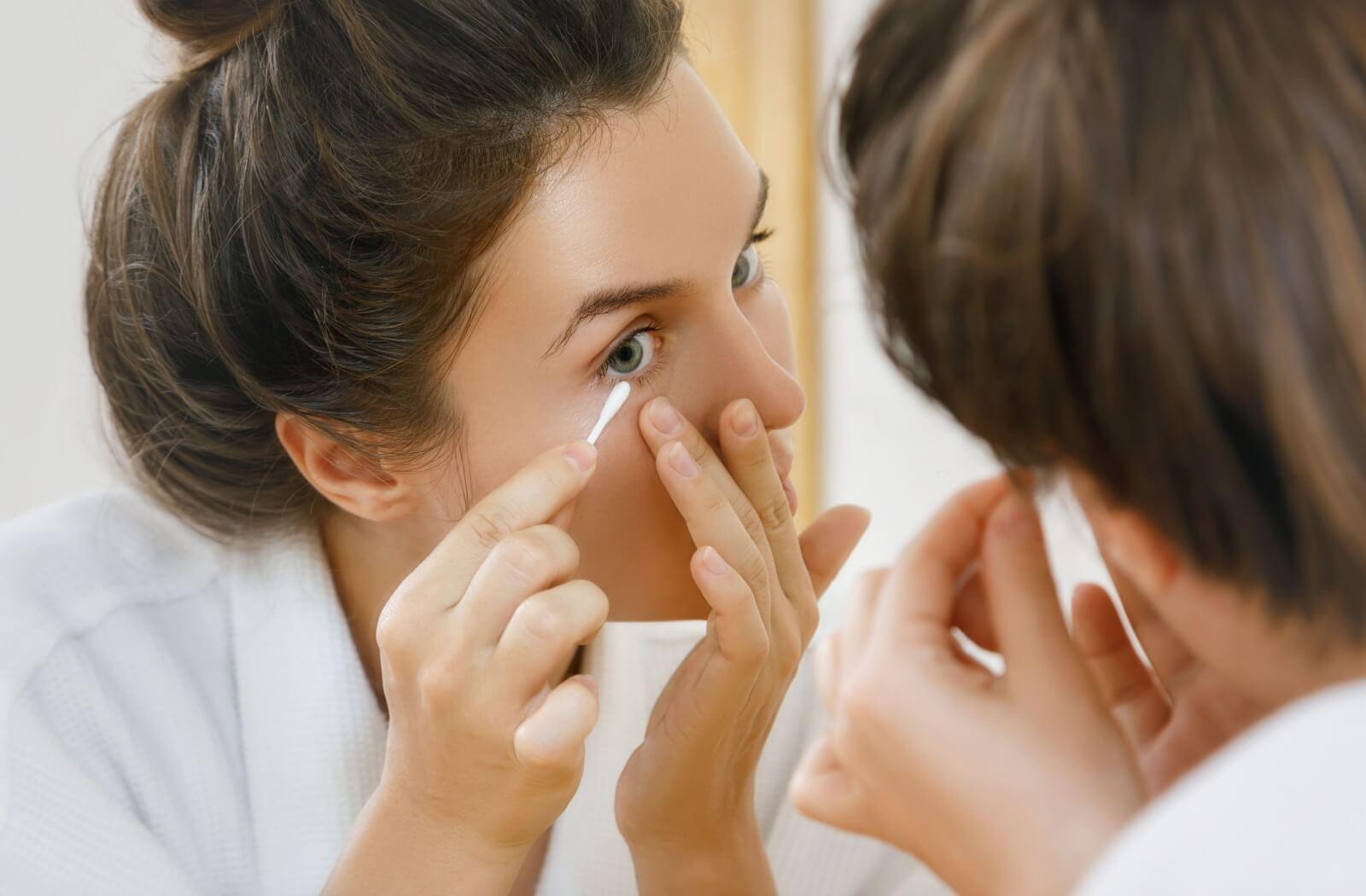
- Apply a warm compress over closed eyelids for 5 to 10 minutes daily to loosen debris and help unblock oil glands
- Gently clean your lids with eyelid wipes or a diluted baby shampoo solution along the lash line
- Use preservative-free artificial tears to manage dryness and soothe irritation throughout the day
Adding omega-3s to your diet, through foods like salmon, walnuts, or a supplement, may also support oil gland function over time.
Professional Treatment Options
When home care alone isn’t bringing relief, an eye doctor can offer additional support. If you’re also dealing with persistent dryness alongside your blepharitis, it may be worth exploring how dry eye affects your daily comfort. In-office treatments include:
- Prescribed antibiotic or anti-inflammatory drops or ointments
- In-office eyelid cleaning to remove buildup
- Meibomian gland expression
What Leads to Flare-Ups and How to Reduce Them
Even when blepharitis is under control, flare-ups can happen. A few common factors tend to contribute:
- Expired makeup, allergens, or contact lens solutions that irritate the lid margin
- Dry environments, long screen sessions, stress, and poor sleep
- Skipping your eyelid hygiene routine for several days in a row
Tips to Reduce Flare-Ups
Small habit changes can go a long way in keeping symptoms from returning. If seasonal allergens tend to worsen your eye irritation, learning more about eye allergy symptoms and treatment can help you stay ahead of flare-ups before they settle in.
- Replace eye makeup, especially mascara and eyeliner, on a regular basis
- Remove all eye makeup completely before bed every night
- Track what seems to trigger your symptoms with a simple diary so you can spot patterns over time
When to See an Eye Doctor in Aurora
Home care works well for many people, but there are times when it makes sense to get a professional set of eyes on the situation. Reach out to your eye doctor if you notice any of the following.
- Symptoms persist or get worse after 2 weeks of consistent home care
- You’re noticing eyelash loss or recurring infections around the eyelid
- At-home steps aren’t bringing any noticeable relief
What to Expect at an Appointment
At Envision Eye Care in Aurora, Dr. Jeong and our team will take a thorough look at your symptoms and possible contributing factors, and then we’ll suggest a treatment plan that’s tailored to your situation.
If blepharitis has been bothering you, reach out to schedule an appointment. We’re here to help you find relief!